Applique: A Designer’s Review for Craft Fair Success
As an experienced embroidery designer, I spend a significant amount of time evaluating digital files not just for their aesthetic appeal, but for their commercial viability. When preparing for a weekend craft fair or updating an Etsy seller inventory, the difference between a design that sits on the shelf and one that sells out often comes down to practical execution and visual impact. Today, I am reviewing a specific digital machine embroidery design titled Applique. This piece falls under the category of Intricate Cuts within the broader Embroidery genre, and it promises to be a versatile asset for boutique makers and creative entrepreneurs.
First Impressions and Visual Appeal
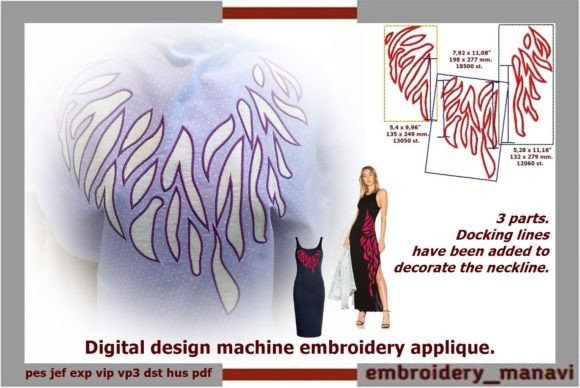
The title "Applique" immediately sets a specific expectation. In the world of handmade products, appliqué designs are renowned for adding texture, dimension, and a premium feel to otherwise simple garments and accessories. Based on the description provided—"Digital machine embroidery of a custom art applique for dresses, clothes, pillows, and other accessories"—this design is positioned as a high-value decorative element. The mention of "custom art" suggests that this is not a generic clip-art style design, but rather something with artistic integrity that can elevate a brand's image.
For a craft fair booth, first impressions are everything. Customers walking by a table need to see quality instantly. An appliqué design typically stands out because it breaks the monotony of standard fill stitches. It offers a layered look that catches the light differently, making the product appear more substantial and expensive. If you are displaying embroidered tote bags or aprons, this design will likely serve as a focal point that draws the eye, encouraging customers to stop and touch the fabric to feel the texture.
Product Versatility and Market Fit
One of the strongest selling points of this Applique design is its stated versatility. The description explicitly mentions its suitability for dresses, clothes, pillows, and accessories. Let’s break down how this translates to actual craft fair products:
- Tote Bags and Market Bags: These are staples at any handmade market. Applying this design to a canvas tote bag creates a chic, functional accessory. Because the design includes docking lines for neckline design, it hints at structural precision, which adds to the perceived quality of the finished product.
- Apron Embroidery: Kitchen items are popular gifts. This design works beautifully on linen or cotton aprons, adding a touch of elegance to home goods. The intricate cuts mentioned in the category suggest that the design may have fine details that look sophisticated against the weave of kitchen textiles.
- Pillow Covers and Home Decor: For buyers looking for unique home accents, this design can transform a plain pillow cover into a statement piece. The "custom art" aspect ensures it doesn't look mass-produced, appealing to shoppers seeking one-of-a-kind decor.
- Caps and Patches: While appliqué designs can sometimes be too large for caps, smaller applications or using the design as a patch on a denim jacket or backpack can be very trendy. However, sellers should test the scale carefully to ensure the intricate details remain visible.
This flexibility makes it an excellent choice for small shop product owners who want to offer a cohesive collection across different item types without needing multiple complex designs.
Production Practicality and Booth Display
From a production standpoint, efficiency is key. To maximize profit margins at a craft fair, you need designs that are repeatable and relatively quick to stitch. The fact that docking lines have been added for the neckline is a significant technical advantage. Docking lines help anchor the fabric during the stitching process, reducing puckering and ensuring the design lies flat. This means less frustration for the embroiderer and fewer rejected pieces due to distortion—a critical factor when batch-producing items for a booth.
When photographing these items for online listings or printable mockups, the dimensional quality of an appliqué design shines. It photographs better than flat satin stitches because the shadows and highlights add depth to the image. This visual richness can increase click-through rates on Etsy and make your booth display photos more compelling on social media.
Considerations for Intricate Cuts
However, the "Intricate Cuts" category requires careful attention. Designs with many small cutaways or detailed shapes can be challenging to execute perfectly. Sellers must consider the following:
- Stitch Density: High-density areas may require stronger stabilizers to prevent fabric distortion. Always check the stitch density before committing to a full production run.
- Thread Contrast: Intricate details can get lost if the thread color blends too closely with the fabric. Test various thread colors to ensure the design pops against your chosen fabric palette.
- Fabric Texture: Textured towels or thick denim might obscure fine details. Smooth fabrics like cotton sateen or lightweight canvas usually provide the best backdrop for intricate appliqué work.
Essential Designer Notes for Production
Before you start producing commercial embroidery items for sale, there are several non-negotiable steps every professional takes. Ignoring these can lead to wasted materials and unhappy customers.
- Test on Scrap Fabric: Never go straight to your final product. Stitch the design on scraps of the exact fabric you plan to use. This reveals how the material reacts to the needle and stabilizer.
- Check Hoop Size: Confirm the required hoop size fits comfortably on your target products. A design that requires a large hoop may not fit well on a small pouch or a curved cap surface.
- Inspect Stitch Density: Look closely at the digital file preview. Are there areas where stitches are too close together, potentially causing the fabric to pucker? Or are they too sparse, leaving gaps?
- Use the Right Stabilizer: Depending on the fabric weight, you may need cut-away or tear-away stabilizer. Using the wrong type can ruin the drape of the finished garment.
- Create Real Mockups: Don’t rely solely on digital mockups. Create at least one real physical sample to evaluate the tactile quality and overall aesthetic.
- Confirm Commercial Licensing: Ensure you have the proper rights to sell finished products made from this digital embroidery file. Check the license terms included with the download to avoid legal issues.
Final Verdict for Craft Fair Sellers
The Applique design represents a strong opportunity for craft fair sellers and handmade product creators. Its emphasis on custom art and practical features like docking lines suggests a high-quality source file that balances beauty with manufacturability. By applying this design to popular items like tote bags, aprons, and pillows, you can create a cohesive and attractive booth display that resonates with customers looking for premium, handmade goods.
Remember, the success of any embroidery file depends on the skill of the operator and the quality of the materials used. Take the time to test, refine, and present your products professionally. With the right approach, this design can become a standout item in your design assets portfolio, driving sales and building your brand reputation for quality and attention to detail.