Apricot Poodle: A Seasonal Embroidery Review
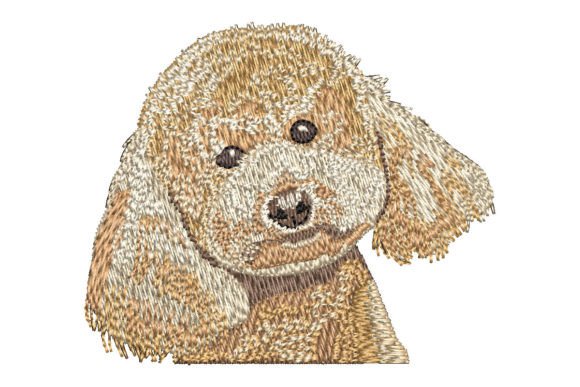
As an embroidery designer who spends countless hours evaluating digital files for seasonal collections, I look for more than just technical precision. I look for emotion. I look for that spark that makes a customer stop scrolling on Etsy or pause at a craft fair booth. When I first opened the Apricot Poodle design file, I knew immediately that this was going to be a staple in my upcoming holiday and spring product lines. This is not just another generic dog motif; it is a carefully constructed piece of art that balances playfulness with a distinct aesthetic charm.
The decision to add this to your inventory depends on understanding its mood, its versatility, and how it translates from screen to fabric. Below is my professional review of the Apricot Poodle, broken down by practical application for sellers, decorators, and handmade gift creators.
First Impressions: Mood and Aesthetic Tone
The name itself sets a specific expectation: warmth, nostalgia, and softness. Apricot is a color that bridges the gap between the cozy tones of autumn/winter and the brightening hues of spring. In the context of holiday embroidery, this design avoids the cliché of heavy reds and greens, offering instead a sophisticated, pastel-leaning palette that feels fresh yet familiar.
The artistic style leans heavily into the "cute" and "nostalgic" categories without feeling childish. The poodle is rendered with enough detail to show personality but simplified enough to stitch cleanly at various sizes. For the modern crafter looking to create personalized gift items, this design hits the sweet spot of being trendy yet timeless. It evokes a sense of whimsy that works beautifully for baby showers, birthday celebrations, and home decor accents. It is not overly rustic, nor is it strictly modern minimalist; it sits comfortably in the "modern vintage" space that is currently dominating the handmade market.
Product Applications for Holiday and Seasonal Sales
One of the biggest challenges for an Etsy seller or small business owner is finding designs that can be applied across multiple product types without losing their impact. The Apricot Poodle excels here. Its balanced composition allows it to work as a focal point on larger items and as a charming accent on smaller goods.
- Sweatshirt Embroidery: Placed over the heart or centered on the back of a crewneck sweatshirt, this design adds a touch of playful elegance. The apricot tones contrast beautifully against heather grey, cream, or even deep navy fabrics, making it a versatile choice for fall and winter apparel.
- Tote Bag Design: For the ultimate handmade gift, embroidering this on a canvas tote bag creates a functional piece of art. The sturdy fabric holds the stitches well, and the cheerful subject matter appeals to dog lovers who want to carry their passion with them.
- Kitchen Towel Embroidery: Small-scale applications on linen or cotton kitchen towels are huge sellers during the holidays. The Apricot Poodle fits perfectly in the corner or center of a tea towel, adding a personal touch to hostess gifts.
- Pillow Cover: For home decor enthusiasts, this design brings warmth to living spaces. Whether used on a throw pillow for a sofa or a decorative cushion for a nursery, it adds texture and visual interest.
- Embroidered Patch: If you sell patches as accessories for denim jackets or backpacks, this design scales down effectively. Ensure you use a proper backing stabilizer to keep the edges crisp.
- Baby Items: The gentle colors make this suitable for onesies, burp cloths, and baby blankets. It is a safe, gender-neutral option that parents love for seasonal embroidery projects.
Real-World Selling Scenarios
When building a small shop product line, visual recognition is key. The Apricot Poodle stands out because it breaks away from the standard black-and-white dog portraits. In social media previews and printable mockup graphics, the warm tones catch the eye against neutral backgrounds. This design performs exceptionally well in gift bundles. Imagine pairing a stitched apron with matching kitchen towels featuring this same motif—it creates a cohesive brand story that encourages higher cart values.
For craft fair displays, having a physical sample of this design on a different fabric type (like a dark fleece vs. light cotton) demonstrates versatility to potential buyers. Customers often buy based on how the item looks in real life, so showing the thread colors popping off the fabric is crucial. The design’s emotional tone invites customers to imagine gifting it to a friend or family member who loves dogs, which directly boosts conversion rates during peak shopping periods.
Where to Exercise Caution
No design is perfect for every application. As a designer, I must advise caution in the following areas:
- Small Hoop Sizes: While the design is clean, extremely small hooping (under 3x3 inches) may cause fine details to blur if the stitch density is too high. Always test before mass production.
- Thick Fabrics: On thick terry cloth or heavy denim, the needle penetration might struggle if the machine tension isn't adjusted. Use a cut-away stabilizer to prevent puckering.
- Dark Fabric: The apricot color is light. On dark fabrics, you will need to use a white underlay or change thread colors to ensure visibility. Do not assume the original file will pop on black cotton without adjustments.
- Stretchy Garments: If applying to stretchy jersey knits, ensure you use a tear-away or water-soluble stabilizer to maintain the shape of the poodle’s outline.
Technical Notes for the Embroidery Designer
To ensure your finished product meets professional standards, pay attention to these technical aspects:
- Thread Conversion: The product description notes that colors are based on ISACORD 40. If you do not have this specific brand in your area, you must convert the thread colors to match your local supplier’s catalog (e.g., Madeira, Gütermann, or Sulky). Mismatched thread sheen can ruin the visual harmony of the design.
- Stitch Density Check: Review the fill stitches in the software. If the density seems high for the fabric you are using, reduce the percentage slightly to prevent fabric distortion.
- Hoop Size Confirmation: Verify the maximum hoop size required by the design. Planning your layout around your available hoop sizes will save time on digitizing errors.
- Stabilizer Selection: Match your stabilizer to your fabric weight. Lightweight fabrics need lightweight stabilizers; heavy towels need robust cut-away options.
- Commercial Licensing: Before selling finished products, confirm the commercial licensing terms of the digital embroidery file. Some designers allow unlimited sales, while others require a per-item fee or limit the number of units sold.
Conclusion
The Apricot Poodle is a versatile, emotionally resonant design that fits seamlessly into any seasonal collection. It offers the right balance of detail and simplicity, making it accessible for beginners yet appealing to advanced decorators. By understanding its strengths and respecting its technical requirements, you can create high-quality machine embroidery design products that drive sales and delight customers. Whether you are creating holiday embroidery specials or year-round personalized gift offerings, this design is a worthy addition to your library.