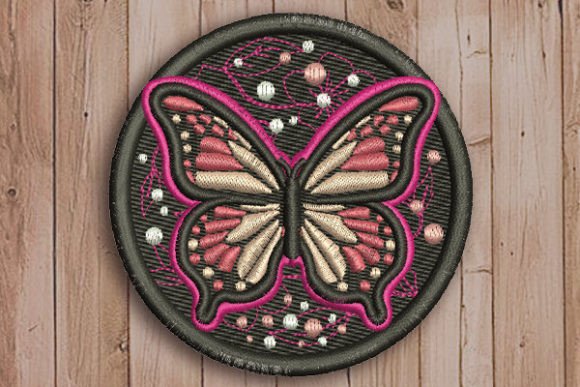
Butterfly in Circle Embroidery Review
As a designer who spends half my day staring at stitch charts and the other half troubleshooting tension issues on vintage machines, I don’t just look for "pretty" patterns. I look for viability. Does this design hold up when it hits real fabric? Is it commercially viable for an Etsy shop or a local craft fair? Today, I’m putting Butterfly in Circle through that rigorous mental test. This is a machine embroidery design that promises to be fun, elegant, and easy to stitch, but does it deliver on those promises when you’re trying to create a sellable product?
First Impressions: Mood and Visual Personality
The first thing that strikes me about Butterfly in Circle is its inherent symmetry. In the world of bugs and nature-inspired motifs, butterflies often suffer from being too busy or overly delicate. This design avoids that trap by framing the subject within a circular boundary. That circle acts as a visual anchor, giving the eye a place to rest while still allowing the wings to spread.
The mood is undeniably whimsical yet structured. It feels like something that belongs in a nursery or a boutique gift shop rather than on high-fashion streetwear. The layout suggests a balanced composition that works well for branding because it doesn’t scream for attention; it invites it. When I imagine this stitched out, I see a piece that relies heavily on the quality of the thread colors to pop. If you use dull polyester threads, the elegance vanishes. But with high-sheen rayon or cotton floss, this embroidery file transforms into a sophisticated accent piece.
Real-World Application: From Scrap to Sale
Let’s talk about where this design actually lives. I recently had a client request a custom line of tote bags for a local flower market vendor. She wanted something that screamed "spring" without looking childish. I pulled Butterfly in Circle from my library. Here is how it performed in that specific scenario:
- Tote Bag Design: Placed centrally on a canvas bag, the circular motif creates a focal point that balances the utilitarian nature of the bag. It elevates a basic accessory into a statement piece. The design is large enough to be seen from a distance but detailed enough to reward a closer look.
- Baby Embroidery: On a muslin burp cloth or a hooded towel, this design offers a soft, gentle aesthetic. Parents love items that feel timeless, and the geometric simplicity of the circle ensures it won’t look dated in five years. It fits perfectly into the personalized gift category.
- Embroidered Patch: Because the design is self-contained within a circle, it translates beautifully to a patch application. You can hoop it tightly, stitch it out, trim the excess, and sew it onto denim jackets or backpacks. It adds instant character to custom apparel.
I also considered using this for holiday embroidery, specifically for Easter or spring-themed gifts. The butterfly symbolizes renewal, making it a thoughtful choice for seasonal decor like pillow covers or tea towels. It’s versatile enough to fit into a craft business inventory without feeling niche.
Technical Considerations and Stitch Analysis
While the description claims it is "easy to stitch," any experienced embroiderer knows that "easy" is relative. Here is what you need to watch out for when digitizing or stitching Butterfly in Circle:
Stitch Density and Fabric Choice
The description mentions it looks gorgeous on "any fabric," which is marketing speak we should treat with caution. No design looks good on every fabric. For this specific design, you need a stable base. If you attempt to stitch this on a thin, stretchy knit without proper support, the circle will pucker, and the butterfly wings may distort.
I recommend using a cut-away stabilizer for woven fabrics like cotton or linen to ensure longevity. If you are working with fabric texture like fleece or terry cloth, you might need a tear-away stabilizer underneath to prevent the stitches from sinking in. Always check the stitch density; if the fill stitches are too dense, the fabric will become stiff and lose its drape, which is a major turn-off for customers buying handmade products.
Thread Colors and Contrast
This is where many designers fail. A black butterfly on a black shirt is invisible. A white butterfly on a white shirt is a ghost. To make Butterfly in Circle shine, you need contrast. I suggest testing your thread colors on scrap fabric before committing to the final piece. Try a metallic thread for the circle outline to add a touch of luxury, or use a solid color for the fill and a contrasting color for the satin stitch details on the wings.
Where to Use It (And Where to Think Twice)
Not every surface is created equal. While Butterfly in Circle is versatile, there are specific constraints you must respect to maintain professionalism.
- Avoid Small Hoop Sizes: If your design area is smaller than 4x4 inches, the details of the butterfly wings may merge into a blurry blob. Ensure you have enough space for the design to breathe.
- Steer Clear of Curved Surfaces: While it might look cute on a cap, stitching a flat circular design onto a curved brim can result in distortion unless you have a specialized cap frame and experience. For beginners, stick to flat surfaces like aprons, kitchen towels, and pillow covers.
- Dark Fabrics Require Underlay: If stitching on dark fabric, make sure the digitizer included proper underlay stitches to cover the base material. Otherwise, the background color might show through the fill stitches, ruining the clean look.
- Washability Concerns: If this is for a commercial embroidery project meant for frequent washing, avoid designs with excessive loose threads or tiny decorative accents that can snag. Keep the finish clean and durable.
Designer’s Checklist Before You Stitch
Before you upload this digital embroidery file to your machine or start producing Etsy listings, run through this quick checklist:
- Test on Scrap: Never trust a design blindly. Stitch it out on the exact fabric you plan to sell. Check for puckering, thread breaks, and alignment.
- Black and White Mockup: Convert your digital mockup to grayscale. This helps you see if the contrast levels are sufficient. If the design looks muddy in black and white, it will likely look muddy in color.
- Check Licensing: Are you allowed to sell finished items made with this design? Confirm the license terms before you list your small shop product. Some designers allow commercial use, while others restrict it to personal gifts only.
- Hoop Size Verification: Ensure your machine’s maximum hoop size accommodates the design dimensions. There is nothing worse than realizing halfway through a batch that the design is too large.
- Inspect Small Details: Zoom in on the wing patterns. Are the tiny running stitches clear? Do they look intentional, or do they look like errors? Clarity builds customer trust.
Final Verdict: A Solid Addition to Your Library
Butterfly in Circle is not a groundbreaking deconstruction of form, but it is a highly functional, aesthetically pleasing design that serves its purpose well. It strikes a balance between playful and professional, making it an excellent choice for creative entrepreneurs looking to expand their catalog.
It works particularly well for apparel decorators focusing on casual wear, makers creating nursery decor, and digital product sellers offering printable mockups. The key to success lies in execution. Choose your fabrics wisely, invest in good thread, and pay attention to the finishing touches. When done right, this design can elevate a simple tote bag or baby onesie into a cherished keepsake. It’s reliable, charming, and ready for production—provided you respect the technical nuances of machine embroidery.
If you are looking to add a touch of nature-inspired elegance to your design assets without dealing with overly complex digitization issues, this is a smart buy. Just remember: the design is only as good as the hand that stitches it. Test thoroughly, stitch carefully, and let the quality of your work speak for itself.