Cakatoua Soufounam Plate Embroidery Review
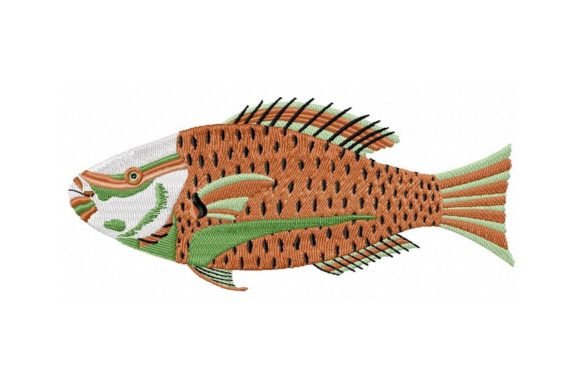
As an embroidery designer who frequently sources digital assets for commercial projects, I am always looking for designs that balance artistic flair with technical reliability. When I first encountered the Cakatoua Soufounam Plate No. 173 on Creative Fabrica, it caught my eye not just for its subject matter, but for its potential application in a variety of handmade product lines. This fish machine embroidery design is inspired by Louis Renard’s fish collection, and it brings a distinct visual mood to the table. In this review, I will evaluate whether this embroidery file holds up under the scrutiny of real-world production, from initial hoop placement to final customer satisfaction.
First Impressions and Visual Appeal
The moment you open the preview of the Cakatoua Soufounam Plate, the aesthetic is clear: it is a splendid piece of digital art translated into stitchable format. The design leans heavily into the decorative appeal of marine life, offering a whimsical yet sophisticated look. For designers working in the niche of nursery decor or kids’ apparel, this machine embroidery design offers a strong focal point. The color palette implied by the original artwork suggests versatility, allowing for creative interpretation through thread selection.
What stands out immediately is the "stitch personality." Unlike rigid geometric patterns, this design feels organic. It has a flowing quality that mimics the movement of water and fish. This makes it particularly effective for soft goods where a softer touch is desired. Whether applied to a tote bag design for a beach-themed boutique or as a central motif on a sweatshirt embroidery project, the design commands attention without being overwhelming. It serves as a perfect example of how design assets can elevate a standard product into something memorable.
Practical Application in Real Projects
When considering this digital embroidery file for a commercial workflow, I looked at how it translates across different mediums. The primary use case I envisioned was for custom apparel and home goods. Here is how the Cakatoua Soufounam Plate performs in specific scenarios:
- Tote Bags and Market Totes: The fish motif pairs beautifully with canvas materials. Placing the design on the front panel of a tote bag creates an immediate visual connection with buyers who appreciate artisanal, nature-inspired themes. It works well as a standalone embroidered patch style element or centered on the bag.
- Sweatshirts and Hoodies: For seasonal handmade gifts, this design adds a unique twist to winter wear. While fish might seem like a summer theme, a stylized fish on a heavyweight hoodie can create a cool, coastal-living vibe. The design’s detail level ensures it remains legible even when stitched onto textured fleece or cotton blends.
- Baby Blankets and Nursery Items: The whimsical nature of the fish makes it suitable for personalized gift items. Stitched in pastel threads on a cream muslin blanket, the Cakatoua Soufounam Plate becomes a tender, decorative accent. However, care must be taken with thread contrast to ensure the details do not get lost in soft fabrics.
- Kitchen Towels and Aprons: For crafters selling craft fair products, this design fits the "chef" or "home cook" aesthetic if interpreted playfully. A fish on an apron is a classic trope, and this modern take on the subject allows sellers to offer something fresher than generic clipart-style embroidery.
- Pillow Covers and Home Decor: As a centerpiece on a linen pillow cover, the design adds texture and interest. It bridges the gap between applique design aesthetics and traditional stitching, making it a versatile choice for interior decorators looking for handmade accents.
Technical Considerations and Production Notes
No design is perfect out of the box, and evaluating the Cakatoua Soufounam Plate requires a critical eye toward technical execution. When preparing to digitize or stitch this embroidery file, several factors come into play regarding stitch density and fabric compatibility.
One of the first things I checked was the hoop size. If the design is large, it may require multiple hooping steps, which can introduce alignment challenges. For smaller projects like caps or small embroidered patches, ensuring the design scales down correctly is vital. Tiny lettering or fine details within the fish scales could become muddy if the resolution is not high enough. I recommend reviewing the file structure to confirm that running stitch areas are clean and that fill stitch transitions are smooth.
Fabric choice is equally important. Embroidering on stretchy fabrics like jersey or thin knits requires a reliable stabilizer to prevent puckering. The Cakatoua Soufounam Plate appears to have moderate density, which generally plays well with cut-away stabilizers for durable garments. However, on dark fabrics, thread color contrast becomes a major factor. Light-colored threads may disappear against black denim or navy sweatshirts unless a backing layer or contrasting outline is used.
Another practical note involves curved surfaces. If you plan to embroider this onto a cap or a rounded tote bag, the flatness of the design might need adjustment. Curved cap surfaces can distort straight lines, so testing on scrap material is non-negotiable. Always inspect small details after stitching to ensure that the satins stitches hold their shape and do not bridge gaps incorrectly.
Impact on Product Value and Branding
Using a high-quality machine embroidery design like the Cakatoua Soufounam Plate directly influences buyer trust and perceived value. Customers buying from Etsy listings or handmade shops are often looking for uniqueness. A design inspired by a recognized artist’s collection (Louis Renard) adds a layer of authenticity and artistic merit that generic clipart cannot match.
This distinction affects product photography significantly. A well-executed fish embroidery on a premium fabric looks expensive and thoughtful. It enhances handmade presentation and supports brand consistency for sellers who focus on artistic, curated collections. Furthermore, the visual appeal of the design drives customer engagement; shoppers are more likely to share photos of distinctive items on social media, providing free marketing for your shop.
For Etsy sellers and small business owners, the ability to offer commercial embroidery rights (once verified) allows for scaling production. The Cakatoua Soufounam Plate can be integrated into a broader line of marine-themed products, creating a cohesive catalog that appeals to a specific demographic.
Final Verdict and Best Practices
The Cakatoua Soufounam Plate No. 173 is a compelling addition to any embroidery designer’s library, particularly those focusing on nature-inspired or whimsical themes. Its strength lies in its artistic origin and its adaptability across various handmade product categories. From printable mockups to finished custom apparel, it offers a professional finish that resonates with buyers.
To ensure success with this embroidery file, I strongly advise the following best practices:
- Test on Scrap Fabric: Always run a test stitch before committing to your final product. This helps identify any issues with tension or needle breaks.
- Check Thread Colors: Compare light and dark fabric mockups to ensure the design pops. Adjust thread choices to maximize contrast.
- Review Stitch Density: Inspect dense areas to ensure they are not too thick for the chosen fabric weight.
- Confirm Licensing: Before selling finished items, carefully read the license terms on the Creative Fabrica product page. Ensure you have the right to use the design commercially.
- Use Proper Stabilizer: Match your stabilizer to the fabric type to maintain stability and prevent distortion.
In conclusion, the Cakatoua Soufounam Plate is a splendid choice for designers seeking to add a touch of aquatic elegance to their work. With careful preparation and attention to detail, this digital embroidery file can help you create stunning, market-ready products that stand out in a crowded marketplace.