Calibri Font PQR Review for Merch
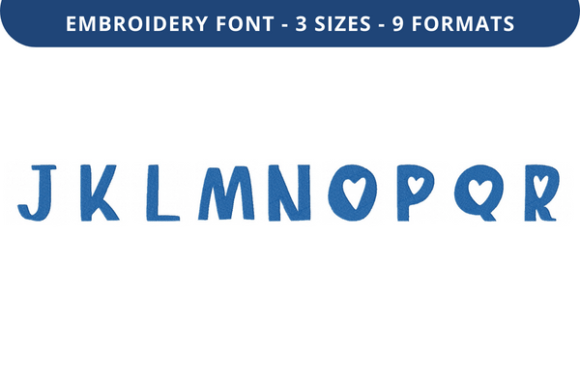
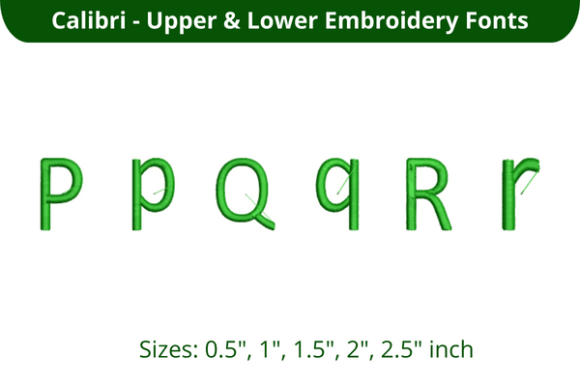
As an embroidery designer who spends half my life troubleshooting stitch errors and the other half trying to make small business branding look premium, I have seen thousands of digital files. Some are artistic masterpieces that fall apart on a cap front; others are simple, functional, and absolutely perfect for high-volume production. Today, I am reviewing Calibri Font PQR, a machine embroidery design file marketed as a high-quality font for personalizing names, dates, and quotes. But does it hold up when you are turning it into a paid product? Let’s break down its potential for your small business merchandise, branded patches, and custom apparel.
First Impressions: The Visual Personality
When you load a new embroidery file into your digitizing software or preview it in your hoop simulation, the first thing you notice is the weight and personality of the letters. Calibri Font PQR strikes a balance between modern professionalism and approachable friendliness. It is not overly decorative or rustic, which makes it incredibly versatile. For a boutique selling handmade goods, this font feels clean enough to convey trust but soft enough to feel "handmade" rather than corporate.
In the context of Back To School themes, this font works beautifully for personalized student gear, teacher appreciation gifts, or classroom organization labels. However, its strength lies in its neutrality. It doesn’t scream for attention like a bold gothic typeface, nor does it fade into the background like a delicate script might on textured fabric. It sits comfortably in the "classic modern" category, making it a safe yet stylish choice for brand identity consistency across different product lines.
Real-World Business Applications
The true test of any embroidery file is how it performs when stitched out on actual products. Here is how Calibri Font PQR translates to specific use cases for Etsy sellers, crafters, and local businesses.
- Embroidered Patches: This is perhaps the strongest use case. Because the font has clear letterforms, it digitizes well into patch formats. Whether you are creating logos for staff uniforms or custom name tags for craft fairs, Calibri Font PQR offers excellent legibility at small sizes. It allows for clean edges without excessive trimming, reducing thread breaks during production.
- Apron Embroidery: For bakeries, florists, or coffee shops, aprons are walking billboards. Using this font for names or short quotes on the chest pocket area adds a touch of elegance. It pairs well with simple floral motifs or minimalist line art, enhancing the handmade product aesthetic without overwhelming the garment.
- Cap Embroidery: Caps present a challenge due to their curved surfaces. Calibri Font PQR’s balanced stroke width holds up reasonably well on structured hats. It is ideal for smaller logos on the side panels or single-word accents on the front, provided the stitch density is adjusted correctly for the curvature.
- Tote Bag Design: Canvas totes are a staple for small business merch. This font looks sharp on natural cotton blends. It works particularly well for date stamps (e.g., event years) or short inspirational quotes that serve as customer gifts. The clean lines ensure that even on coarse canvas textures, the text remains readable.
- Custom Apparel & Work Shirts: For uniform programs, consistency is key. If you are designing a line of work shirts for a creative studio, this font provides a professional finish. It is subtle enough to be worn daily but distinct enough to reinforce brand recognition.
Where to Exercise Caution
No design is perfect for every scenario. As a professional reviewer, I must highlight where Calibri Font PQR might struggle, helping you avoid costly mistakes before you start production.
- Small Patch Sizes: While it digitizes well, extremely small patches (under 1.5 inches wide) may lose detail. If you are stitching tiny lettering on keychains or very small accessory tags, inspect the spacing closely. Thin strokes may merge if the thread colors lack sufficient contrast.
- Curved Surfaces: On highly curved items like beanies or fitted caps, standard digitizing can cause pucker. You must adjust the underlay stitches to accommodate the curve. Do not assume the file will lay flat on all three-dimensional objects without testing.
- Textured Fabrics: Avoid using this design on heavily textured fabrics like bouclé wool or thick terry cloth unless you increase the stitch length slightly. The fine details of the font may get lost in the fabric nap.
- High Stitch Density Areas: If the design includes heavy fills or dense outlines, it may become stiff. For items that require drape, such as lightweight tees or scarves, ensure the stabilizer choice matches the fabric weight to prevent stiffness.
- Frequent Washing: For items like aprons or work shirts that undergo industrial washing, ensure the thread quality is high. While the design itself is sound, longevity depends on proper tension settings and pre-washing your base garments.
Impact on Brand Identity and Customer Trust
In the world of e-commerce and physical retail, visual consistency builds trust. When a customer receives a package containing a tote bag, a hat, and a patch, they expect a cohesive look. Calibri Font PQR supports this by offering a versatile typographic element that can be scaled and colored to match your palette.
Using a clean, recognizable font helps establish a premium feel. It signals to the buyer that you care about the details of your finished product. In contrast, poorly digitized or mismatched fonts can make a brand look amateurish. By incorporating Calibri Font PQR into your design assets, you create a unified visual language that enhances buyer engagement and encourages repeat purchases.
Practical Designer Notes for Production
Before you upload this file to your embroidery machines for commercial orders, follow these essential steps to ensure quality control:
- Test in Black and White First: Remove color distractions to check the structural integrity of the letters. Ensure there are no gaps in the letterforms that could cause threading issues.
- Check Small Patch Legibility: Zoom in on your screen to simulate a 1-inch patch. Can you still read the text clearly? If not, consider simplifying the design or increasing the minimum size.
- Review Thread Color Contrast: Dark threads on dark fabric, or light threads on light fabric, will disappear. Always choose high-contrast combinations for maximum impact.
- Inspect Spacing: Look at the kerning between letters. Poor spacing can make words look cramped or disjointed. Adjust if necessary within your digitizing software.
- Confirm Hoop Size: Ensure your design fits within the hooping capabilities of your production machines. Large designs may require multi-hoop sequences, which add time and cost.
- Test on Real Fabric: Never rely solely on digital previews. Stitch out a sample on the actual fabric you plan to sell. Check for puckering, bird nesting, or thread tension issues.
- Use Proper Stabilizer: Match your stabilizer to the fabric weight. Cut-away stabilizers are generally best for woven garments and frequent-wash items like aprons.
- Create a Printable Mockup: Use the design to create a printable mockup for client approval. This helps visualize the final result and sets clear expectations.
- Compare Beside Other Assets: Place the font next to your logo or other graphics to ensure visual harmony. Does it complement your existing brand identity?
- Confirm Commercial Licensing: Most importantly, verify the license terms. Ensure you have the right to use this digital embroidery file for commercial purposes, including selling finished goods. Do not assume permission based on the description alone.
Final Verdict
Calibri Font PQR is a reliable, versatile tool for any embroiderer looking to expand their catalog of commercial embroidery products. Its clean, modern aesthetic makes it suitable for everything from custom apparel to delicate tote bag design accents. While it requires careful consideration regarding size, fabric texture, and licensing, its potential to elevate your brand’s professional image is significant. For small business owners seeking a dependable font for personalized merchandise, this design deserves a spot in your library. Just remember: always test, always inspect, and always prioritize quality in your embroidered patch and garment production.