Cupcake Gnome Embroidery Design Review
As an embroidery designer who has spent years refining designs for commercial production, I approach every new digital file with a mix of creative enthusiasm and technical scrutiny. When evaluating a design like Cupcake Gnome, my primary focus is not just on how it looks on the screen, but on how it translates to physical merchandise. For small business owners, Etsy sellers, and apparel decorators, the difference between a hobbyist project and a sellable product often lies in the details of stitch density, fabric compatibility, and brand alignment. This review examines whether this machine embroidery design holds up under the demands of professional branding.
First Impressions: Personality and Professionalism
The title "Cupcake Gnome" immediately suggests a specific aesthetic: playful, whimsical, and rooted in modern cottagecore or rustic charm trends. From a design perspective, this is a double-edged sword. It offers high visual appeal for niche markets but requires careful consideration regarding broader brand identity. The description highlights that the design is "fun and easy to stitch," which is a critical selling point for production efficiency. However, the claim that it will look "elegant and gorgeous when stitched onto any fabric" warrants caution. In my experience, no single design looks elegant on every texture; the magic happens in the execution.
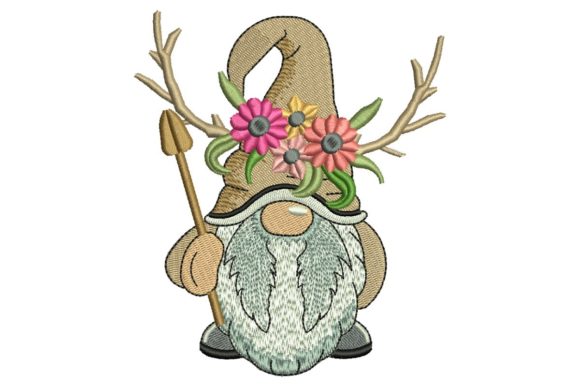
Visually, the design likely balances cute character elements with dessert-themed accents. This combination works exceptionally well for brands aiming for a friendly, approachable, and handmade feel. It feels premium yet accessible, avoiding the overly complex clutter that can make small logos difficult to read from a distance. For a bakery, café, or boutique gift shop, this personality aligns perfectly with customer expectations of warmth and quality.
Real-World Business Applications
Where does Cupcake Gnome truly shine in a commercial context? Based on its described attributes, this embroidery file is versatile enough for several key merchandising categories:
- Embroidered Patches: The distinct character shape makes it ideal for iron-on or sew-on patches. These are high-margin items for craft fairs and online stores, appealing to customers looking to customize jackets, bags, or hats.
- Staff Uniforms and Aprons: For a local bakery or café, placing this design on chest pockets or apron straps adds a touch of personality without being distracting. It humanizes the staff and reinforces the brand's fun atmosphere.
- Tote Bag Designs: Canvas tote bags are a staple for handmade brands. A centered or offset placement of this design creates a trendy accessory that doubles as mobile advertising.
- Cap Embroidery: The compact nature suggested by "easy to stitch" implies it may fit well within standard cap front panels. This is perfect for branded headwear sold at events or used as corporate gifts.
- Product Packaging Accents: Small embroidered labels or tags attached to packaged goods (like cookie boxes or candle jars) elevate the unboxing experience, signaling attention to detail and quality.
By integrating this digital embroidery file into your small business merch lineup, you create a cohesive visual language that enhances brand identity. Customers associate the consistent use of such charming, high-quality graphics with reliability and care, fostering trust and recognition.
Strategic Placement and Visual Consistency
When planning your custom apparel line, consider how this design interacts with other design assets. If your brand uses earth tones and natural fibers, the "rustic" vibe of a gnome theme complements linen and cotton beautifully. However, if your brand is minimalist or corporate, this design might clash. Ensure that the thread colors chosen for production match your existing palette to maintain visual consistency. A mismatched thread choice can undermine the professionalism of even the best design.
Technical Considerations and Risk Management
While the design promises elegance, real-world application reveals potential pitfalls. As a designer, I advise exercising caution in the following scenarios:
- Small Patch Sizes: If you plan to produce patches smaller than two inches, intricate details may merge together. Always test the design at its smallest intended scale to ensure legibility.
- Curved Surfaces: Applying embroidery to curved items like caps or rounded bottle sleeves requires precise digitizing. Distortion can occur if the hoop size and stabilizer choice are not optimized for the curve.
- High Stitch Density: Designs labeled "fun" sometimes rely on dense fills to achieve color vibrancy. On delicate fabrics, this can cause puckering. Conversely, on thick denim, it might look too heavy. Inspect the stitch density carefully.
- Textured Fabrics: While the description claims it works on "any fabric," textured materials like bouclé or rough burlap can hide fine details. Test on your actual target material before bulk ordering.
- Frequent Washing: For uniforms and aprons, durability is key. Ensure the design has adequate backing to withstand industrial laundering without fraying or losing shape.
Practical Designer Notes for Production
Before committing to production runs, follow these essential steps to protect your investment and reputation:
- Test in Black and White: Convert the design to monochrome to check contrast and balance. If the silhouette doesn't hold up without color, the design may lack structural integrity.
- Check Hoop Size Constraints: Confirm the required hoop size matches your machine’s capabilities. A design that requires a large hoop limits where it can be placed on garments like sleeve cuffs or collars.
- Select Proper Stabilizer: The choice of stabilizer (cut-away vs. tear-away) significantly impacts the final look. For stretchy knaps or heavy denim, a cut-away stabilizer is usually necessary to prevent distortion over time.
- Create a Printable Mockup: Before stitching, generate a printable mockup to present to clients or stakeholders. This helps visualize the final product and secure approval without wasting thread and fabric.
- Verify Commercial Licensing: Most importantly, confirm that you have the correct commercial embroidery license. Using a design for resale without proper rights can lead to legal issues. Check the terms explicitly included with the embroidery file.
Final Verdict
The Cupcake Gnome design appears to be a strong candidate for businesses seeking to inject personality into their handmade products. Its promise of being easy to stitch reduces production time, while its charming aesthetic boosts customer engagement. However, success depends on rigorous testing. By addressing fabric texture challenges, selecting appropriate thread colors, and ensuring proper stabilization, you can transform this digital asset into a profitable, professional finished product.
For bakeries, florists, pet brands, and creative studios, this design offers a unique way to stand out in a crowded market. Just remember: the best embroidery is not just about the design itself, but how thoughtfully it is executed. Treat this as a core part of your design assets library, test it thoroughly, and watch your brand value grow.