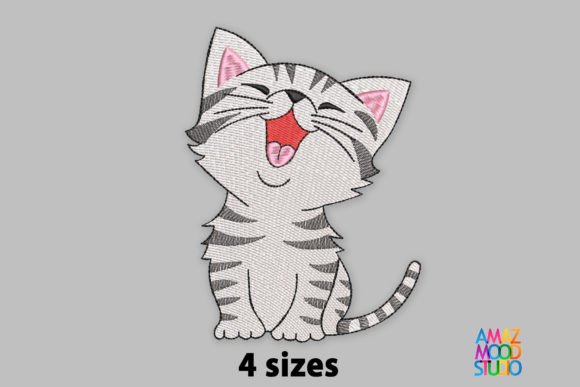
Cute Smile Cat Embroidery Review
As an embroidery designer who has spent years translating digital concepts into tangible, stitched assets for small businesses, I approach every new machine embroidery design with a critical eye. It is not enough for a design to simply look good on a screen; it must hold up under the needle, maintain its integrity across various fabric textures, and ultimately enhance the brand identity of the business wearing it. Today, I am reviewing the Cute Smile Cat, a design that promises to add a lovely accent to any fabric. For owners of boutiques, cafes, bakeries, and handmade brands, understanding how this embroidery file performs in real-world commercial applications is essential before committing to production.
First Impressions: Personality and Professionalism
The title Cute Smile Cat immediately sets expectations regarding tone. This is not a corporate logo designed for a law firm or a heavy industrial uniform. Instead, it signals warmth, approachability, and playfulness. In the world of small business merch, personality is currency. A design like this suggests a brand that values connection, comfort, and perhaps a touch of whimsy. When evaluating the visual weight of the design, one must consider whether "cute" aligns with your target demographic. For pet brands, florists, children’s boutiques, or cozy coffee shops, this aesthetic can significantly boost buyer engagement. However, if you are aiming for a minimalist, high-fashion, or strictly professional image, this design may feel too decorative. The key here is alignment: does the playful nature of the cat reinforce your brand story, or does it distract from it?
Real-World Applications for Small Businesses
Where does Cute Smile Cat shine in a commercial setting? Its versatility makes it an excellent candidate for several common merchandise items. Let us break down its performance in specific use cases.
Embroidered Patches and Brand Badges
One of the most popular uses for designs like this is the creation of embroidered patch assets. Whether sewn onto denim jackets, canvas tote bags, or leather journals, a well-executed cat motif adds a premium feel to otherwise simple products. For Etsy sellers and craft business owners, these patches serve as unique selling points. They transform generic inventory into branded goods. If the design includes clean outlines and sufficient negative space, it will stitch out beautifully as a standalone patch, allowing customers to personalize their own gear while carrying your brand message.
Apron Embroidery for Food and Retail
For bakery owners, cafe staff, or artisans working at craft fairs, apron embroidery is a powerful tool for visibility. Staff members become walking billboards. Placing the Cute Smile Cat on the chest pocket or upper left breast area of a white or neutral-colored apron creates a friendly face for your business. It humanizes the service experience. Customers are more likely to engage with staff who appear approachable and warm. Just ensure the fabric of the apron is sturdy enough to handle the stitch density without puckering.
Cap Embroidery and Headwear
Cap embroidery is another strong avenue for this design. Caps are ubiquitous in marketing, offering high visibility. A centered placement on the front panel of a baseball cap or a curved brim detail can work well. However, the curvature of the hat requires careful digitizing consideration. The design must be balanced so that the smile remains readable and not distorted by the curve of the fabric. This is particularly effective for outdoor brands, pet stores, or casual lifestyle labels looking to distribute affordable promotional items.
Tote Bag Design and Custom Apparel
In the realm of tote bag design, this motif fits perfectly with the current trend of reusable, aesthetically pleasing accessories. A single embroidered cat on the front panel or a repeated pattern along the side seam adds value to the product. Similarly, for custom apparel such as hoodies or t-shirts, placing the design on the sleeve or back yoke can create a subtle, sophisticated branding opportunity that avoids the cluttered look of large front prints. It appeals to the desire for handmade product authenticity.
Strategic Considerations and Limitations
No design is perfect for every scenario. As a reviewer, I must highlight where caution is needed. The effectiveness of Cute Smile Cat depends heavily on scale and material.
- Small Patch Sizes: If you intend to produce very small patches (under 2 inches), intricate details may get lost in the stitching process. Fine lines might merge, causing the cat’s features to blur. Always test at actual size.
- Curved Surfaces: While caps are forgiving, other curved surfaces like mugs or helmets require specialized techniques. Ensure your digitizer has accounted for curvature to prevent distortion.
- High Stitch Density: Designs with dense fills can make fabric stiff. On lightweight fabrics like silk or thin cotton blends, this can lead to puckering. Check the stitch density in your software to see if adjustments are needed for delicate materials.
- Fabric Texture: Rough textures like burlap or thick fleece can hide fine details. Smooth fabrics like polyester twill or cotton poplin will yield the crispest results.
- Dark Uniforms: Contrast is king. On dark uniforms, you will need a light background color or extensive underlay stitching to make the design pop. Without proper contrast, the cat may disappear into the fabric.
Impact on Brand Identity and Trust
Using a cohesive, high-quality design like Cute Smile Cat across multiple touchpoints builds visual consistency. When a customer sees the same friendly cat on a tote, an apron, and a product tag, it reinforces recognition. It signals that the business pays attention to detail. In the commercial embroidery market, quality speaks louder than words. A cleanly stitched design implies care and professionalism, which translates directly to perceived product value. Conversely, a poorly executed stitch job can undermine trust, making even a great brand look amateurish.
Practical Designer Notes for Production
Before you send this digital embroidery file to production, follow these steps to ensure success:
- Test in Black and White: Convert the design to monochrome to check contrast and readability. If it doesn’t read well without color, it won’t work well with thread.
- Check Hoop Size: Confirm the hoop size required by the design. Ensure it fits comfortably within the available space on your garment or accessory.
- Review Thread Colors: Evaluate the thread colors against your specific fabric. Use a printable mockup or physical swatch to verify contrast levels.
- Inspect Spacing: Look closely at the spacing between elements. Are there gaps that might cause thread breaks? Is the outline clear?
- Stabilizer Selection: Choose the right stabilizer for your fabric type. Cut-away stabilizers are generally safer for stretchy or woven fabrics to prevent shifting during stitching.
- Commercial Licensing: Most importantly, confirm commercial licensing terms. Just because you bought the file does not always mean you have the right to sell finished goods featuring it. Verify this with the creator.
In conclusion, Cute Smile Cat is a charming addition to any designer’s library, provided it is used strategically. It excels in creating a warm, inviting brand atmosphere for small businesses focused on community, pets, food, and handmade goods. By paying attention to technical details like stitch density, fabric choice, and licensing, you can turn this adorable design into a profitable, professional asset for your brand.