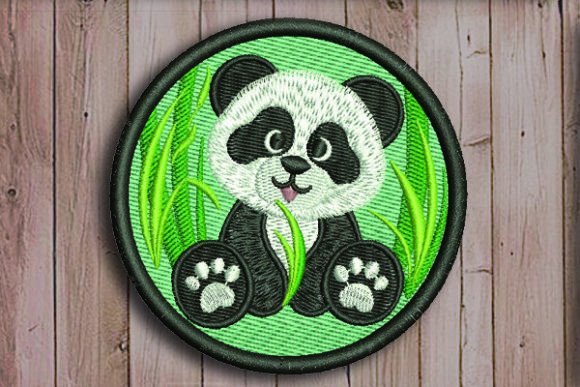
Little Panda: A Designer’s Review for Small Business Merch
As an experienced embroidery designer, I spend a significant amount of time evaluating digital assets before they hit the production floor. When a client or brand owner asks me to review a design for small business merch, I am not just looking at aesthetics; I am looking at viability, durability, and brand alignment. Today, we are reviewing the Little Panda design. Based on its description as a high-quality, fun, and elegant piece within the Baby Animals category, this file presents an interesting case study for brands looking to add personality to their custom apparel and branded goods.
First Impressions: Balancing Playfulness with Professionalism
The initial visual impact of the Little Panda design is crucial. The description highlights that it is "fun and easy to stitch" while also looking "elegant and gorgeous." This is a delicate balance in embroidery design. Too much detail can lead to thread breaks and poor definition, especially on smaller items. Too little detail can make a design look cheap or unfinished.
From a professional standpoint, the "Little Panda" concept leans heavily into the friendly and playful side of branding. It feels approachable, which is ideal for businesses that want to project warmth and trust. However, the mention of elegance suggests that the line work is likely clean and refined rather than cartoonish or overly complex. For a small café, a boutique bakery, or a handmade pet brand, this duality is powerful. It allows the business to appear cute without sacrificing the premium feel that customers expect when paying top dollar for a product.
Real-World Applications for Branded Goods
Where does the Little Panda design shine in a commercial setting? Having tested similar motifs in various contexts, I see several high-potential use cases for this machine embroidery design.
- Embroidered Patches: This is perhaps the strongest application. A panda motif works exceptionally well as a standalone patch. Brands can sew these onto denim jackets, backpacks, or tote bags to create unique, collectible merchandise. The design’s simplicity ensures it remains legible even when scaled down.
- Staff Uniforms and Aprons: For a creative studio, a florist shop, or a local coffee chain, adding a subtle panda accent to a chest pocket or the back of an apron adds a touch of staff pride and customer delight. It humanizes the uniform, making employees feel part of a community rather than just wearing a logo.
- Cap Embroidery: Caps are a staple in promotional products. The rounded front panel of a cap provides a perfect canvas for a centered panda design. It offers a classic look that appeals to a wide demographic, from young creatives to older professionals who appreciate subtle humor.
- Tote Bag Design: In the era of sustainable shopping, tote bags are mobile billboards. Stitching the Little Panda onto a canvas tote creates a functional art piece. Customers are more likely to carry a bag with a charming design than one with a generic corporate logo, increasing organic brand visibility.
- Product Packaging Accents: Don’t overlook the unboxing experience. Adding a small embroidered patch of the panda to gift boxes, garment tags, or packaging inserts elevates the perceived value of the finished product. It signals attention to detail and care.
Strategic Placement for Maximum Impact
To maximize the effectiveness of this embroidery file, placement is key. On custom apparel, consider placing the design on the sleeve cuff for a modern, unexpected detail. For baby animals-themed brands, centering the design on the chest of a onesie or child’s hoodie creates an immediate emotional connection with parents and gift-buyers.
Critical Considerations and Limitations
While the Little Panda design has strong potential, no single digital embroidery file is a universal solution. As a designer, I must advise caution in specific scenarios where technical limitations could undermine the brand identity.
First, be mindful of size constraints. If you intend to use this as a tiny accent on a pen or a very small label, the details may get lost. Always test the design at the actual intended size before committing to bulk production. Similarly, curved surfaces like the front of a fitted cap require careful hooping to prevent distortion. If the panda’s features become warped, the elegant quality described in the prompt will be lost.
Thread color contrast is another vital factor. Dark uniforms or dark fabric textures can swallow up light-colored threads. Ensure that the thread colors chosen provide sufficient contrast against the base fabric. If the design relies on fine outlines, verify that the stitch density is appropriate for the fabric type. Heavy fabrics like denim can handle higher density, but lightweight knits may pucker if the stitch count is too high.
Furthermore, frequent washing is a reality for aprons and work shirts. Ensure that the stabilizer used during production is removed properly and that the design is anchored securely to withstand industrial laundering. Poorly executed embroidery on frequently washed items can lead to fraying, which damages the brand's reputation for quality.
Impact on Brand Identity and Customer Trust
In the world of handmade products and Etsy branding, visual consistency is everything. The Little Panda design contributes to a brand identity that values creativity, kindness, and quality. When customers see a well-executed embroidered patch, they associate that craftsmanship with the overall quality of the product inside the package.
This design fosters buyer engagement by creating a memorable visual hook. It is shareable content for social media, encouraging customers to post photos of their purchases. This user-generated content serves as social proof, building trust with new prospects. By choosing a design that is both fun and elegant, your brand communicates that you do not compromise on style or substance.
Practical Designer Notes for Production
Before integrating the Little Panda into your commercial workflow, follow these essential steps to ensure success:
- Test in Black and White: Convert the design to monochrome to check the balance of negative space and stitch coverage. This helps identify areas that might look cluttered or sparse.
- Check Hoop Size and Stability: Confirm the recommended hoop size for the design. Ensure your embroidery machine can accommodate it without cutting off parts of the panda. Use the correct stabilizer (cut-away for stretchy fabrics, tear-away for wovens) to maintain shape.
- Mockup for Client Approval: Create a printable mockup to show clients how the design looks on different products. This manages expectations regarding scale and color.
- Verify Commercial Licensing: Most importantly, confirm the commercial licensing terms of the digital embroidery file. Ensure you have the right to sell products made with this design. This protects your small business from legal issues.
- Inspect Thread Contrast: Test multiple thread color combinations. A black panda on white fabric is classic, but pastel threads on cream fabric can offer a softer, more premium aesthetic.
By treating the Little Panda design with the same rigor as any major brand asset, you can transform a simple embroidery file into a powerful tool for business growth. It offers the perfect blend of charm and professionalism, ready to elevate your small business merch and connect with customers on a deeper level.