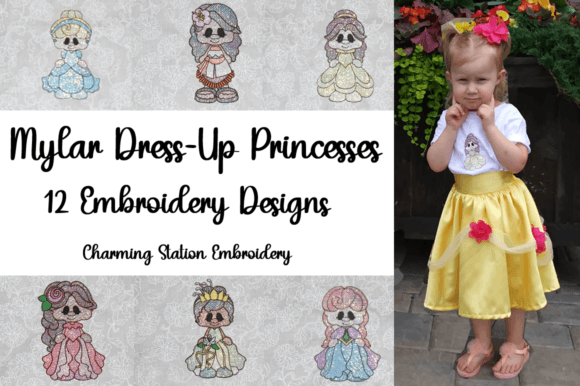
Mylar Dress-Up Princesses Embroidery Review
As an embroidery designer who spends countless hours analyzing stitch patterns, fabric interactions, and market trends, I approach every new digital file with a critical eye. We are currently approaching the peak season for holiday crafting, family celebrations, and limited-time product drops. It is in this context that I reviewed Mylar Dress-Up Princesses, a design set categorized under Fairy Tales within the broader Embroidery genre. This review is intended for Etsy sellers, small business owners, apparel decorators, and crafters who need to make informed decisions about which designs will resonate with holiday shoppers.
First Impressions: Seasonal Mood and Emotional Tone
The immediate appeal of Mylar Dress-Up Princesses lies in its ability to tap into nostalgia and aspiration. Every little girl wants to be a princess, and this design set leverages that universal desire perfectly. The visual tone is playful yet elegant, striking a balance between cute and premium. When you look at the design, it feels festive without being overly cluttered. The use of Mylar elements suggests a shimmering quality that catches the light, adding a layer of magic that is particularly effective during the darker winter months associated with holidays like Christmas, Hanukkah, and general winter celebrations.
From a decorative standpoint, the detail level is high enough to justify a higher price point but not so complex that it becomes frustrating for intermediate machine operators. The style leans modern-cute, making it versatile for various demographics. It evokes feelings of warmth, joy, and special occasions. For the holiday shopper, this isn't just a shirt; it is a piece of wearable fantasy. This emotional connection is crucial for driving sales during competitive shopping periods.
Real-World Holiday Selling Scenarios
In my experience building seasonal collections, versatility is key. Mylar Dress-Up Princesses shines when integrated into gift bundles and personalized gifts. Imagine an Etsy listing featuring a sweatshirt embroidered with one of the twelve princesses, paired with a matching tote bag design or a kitchen towel embroidery print. The variety of twelve distinct characters allows for immense customization, which is a massive selling point for parents and grandparents looking for unique presents.
Consider the potential for family matching items. You could create a collection where siblings each receive their own princess variant on baby items or pillow covers. During craft fair displays, these designs can be showcased on aprons and table linens, creating a cohesive booth theme centered around fairy tales and royalty. Social media previews benefit greatly from the reflective nature of Mylar; photos taken under flash or bright lights will highlight the texture and sheen, increasing engagement rates compared to standard cotton thread designs.
For digital embroidery file buyers, the commercial potential is significant. Creating printable mockups that showcase the design on different products helps visualize the final outcome. Whether it is an embroidered patch for a denim jacket or a centerpiece on a home decor item, the design holds up well across mediums. It fits seamlessly into the narrative of handmade gift culture, where uniqueness and personalization are valued over mass-produced goods.
Product Applications and Versatility
- Sweatshirt Embroidery: The design works beautifully on soft fleece or cotton blends, offering a cozy yet magical feel for winter wear.
- Tote Bag Design: Ideal for party favors or gift bags, especially when used as a standalone graphic on canvas totes.
- Kitchen Towel Embroidery: Adds a whimsical touch to holiday baking themes, perfect for housewarming or wedding gifts.
- Pillow Cover: Creates a luxurious accent piece for nurseries or guest rooms, elevating the perceived value of the item.
- Baby Items: Soft fabrics require gentle handling, but the design’s aesthetic is timeless for christening gowns or milestone blankets.
- Appliques and Patches: The defined edges make it suitable for iron-on patches that can be added to hats or backpacks.
Critical Considerations and Usage Warnings
While the design is promising, no professional should deploy a new file without caution. There are specific areas where Mylar Dress-Up Princesses requires careful execution. First, be mindful of small hoop sizes. If you attempt to digitize or execute intricate details in a very small area, you risk losing definition. Tiny lettering or fine lines may become muddy if the stitch density is too high for the available space.
Fabric choice is equally important. Thick towels can cause needle deflection, leading to misaligned stitches. Dark fabrics present a challenge; ensure your stabilizer and backing choices prevent show-through, which can ruin the clean look of the Mylar effect. Stretchy garments, such as certain athletic wear or thin jerseys, require a strong tear-away or cut-away stabilizer to prevent puckering. Curved caps are also risky unless the design is specifically optimized for cap curvature, which may not be the case here.
Additionally, consider the washing instructions. Items that need repeated washing, such as daily-use aprons or children's clothing, must be stabilized properly to maintain the integrity of the Mylar threads. Metallic or reflective threads can sometimes be more brittle than standard polyester threads, so reinforcing weak points is essential for durability.
Impact on Seasonal Appeal and Brand Value
Integrating Mylar Dress-Up Princesses into your seasonal lineup affects buyer emotion significantly. The shimmer adds a sense of occasion, making the product feel like a special treat rather than a mundane purchase. This enhances giftability, as customers are more likely to perceive the item as a "wow" gift. From a brand consistency perspective, using high-quality finishes builds customer trust. When a buyer receives a product that looks exactly like the photo, complete with the expected sparkle, they are more likely to leave positive reviews and return for future purchases.
Visual recognition is boosted by the unique texture of Mylar. In a crowded marketplace, standing out is difficult. A design that physically interacts with light creates a memorable impression. This drives engagement during holiday shopping periods when consumers are bombarded with options. A tactile element separates your shop from competitors selling only flat-printed or standard embroidered goods.
Practical Designer Notes for Execution
- Test Thread Colors: Always test your thread colors on both light and dark fabric samples before committing to production. The reflectivity of Mylar can alter how colors appear under different lighting conditions.
- Check Stitch Density: Verify the stitch density in your digitizing software. Too much density can cause bulkiness, while too little can result in sparse coverage.
- Confirm Hoop Size: Ensure the design fits comfortably within your standard hoop sizes to avoid trimming errors or tension issues.
- Use Proper Stabilizer: Match the stabilizer to the fabric weight. Heavy fabrics need heavy stabilizers; light fabrics need lightweight support.
- Create Realistic Mockups: Use high-resolution images that accurately represent the texture and shine of the Mylar to manage customer expectations.
- Review Small Details: Zoom in on the stitched sample to check for any tangled threads or missed jumps, especially in complex areas.
- Plan Matching Palettes: Coordinate thread colors with existing seasonal palettes to create a cohesive collection.
- Confirm Commercial Licensing: Before selling finished products, double-check the license terms included with the digital embroidery file to ensure you have the right to sell physical items derived from it.
Ultimately, Mylar Dress-Up Princesses is a strong candidate for inclusion in any seasonal product collection aimed at young audiences or fairy tale enthusiasts. Its blend of emotional resonance, visual flair, and practical application makes it a valuable asset for any embroiderer looking to capitalize on the holiday rush. By following proper testing protocols and understanding its limitations, you can create finished products that delight customers and drive sales.