Natural Floral Border Review
As an embroidery designer who spends weekends hunched over a hoop and weekdays prepping for craft fairs, I have learned that the difference between a "nice" design and a bestseller often comes down to one thing: context. You can have the most technically perfect stitch pattern in the world, but if it doesn’t translate well to the physical products sitting on your table, it won’t move units. Today, I am putting the Natural Floral Border under the microscope. This is not just about whether the code runs clean; it is about whether this embroidery file will help you clear inventory at your next handmade market.
First Impressions and Visual Appeal
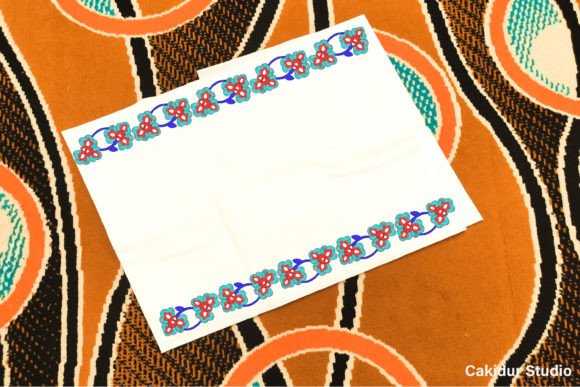
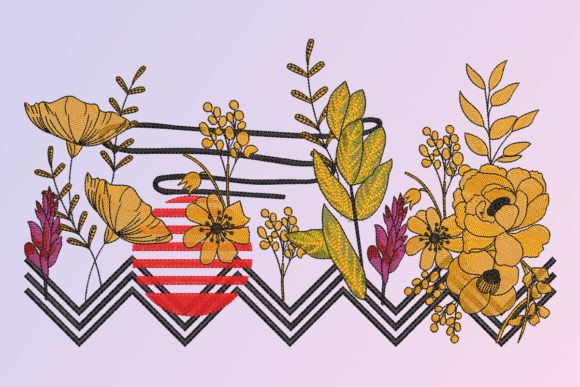
The title Natural Floral Border suggests a specific aesthetic: organic, soft, and likely rooted in farmhouse or modern rustic styles. In the crowded world of machine embroidery design, borders are tricky. They must be decorative without overwhelming the garment or accessory they adorn. Based on the description highlighting a "fashionable and fancy accent," this design aims for elegance rather than bold graphic impact.
When I visualize this on a booth table, the first impression is crucial. Customers walking by give you about three seconds to grab their attention. A border design works best when it frames a product beautifully. If this floral motif features delicate petals and flowing lines, it will read as premium and thoughtful. It feels less like a novelty item and more like a piece of wearable art. For an Etsy seller or boutique maker, this translates to higher perceived value. It suggests quality craftsmanship, which is exactly what buyers are looking for when they spend money on a handmade product.
Product Versatility: Where It Shines
The true test of any digital embroidery file is its versatility. Can it live on multiple surfaces? Here is how the Natural Floral Border performs across key craft fair product categories:
- Tote Bags and Market Bags: This is perhaps the strongest application. Placing a floral border along the top edge or framing the entire front panel creates a sophisticated look. It elevates a basic canvas tote into a tote bag design that customers feel good carrying to farmers markets or coffee shops. The contrast between the sturdy fabric and the delicate flowers is visually striking.
- Aprons and Tea Towels: Kitchen textiles are impulse-buy goldmines at craft fairs. An apron embroidery featuring this border adds a touch of class to a utilitarian item. Similarly, tea towel embroidery benefits from the linear nature of a border, allowing the design to run horizontally across the hem or vertically down the side. These items photograph exceptionally well for online listings because the flat surface allows the details of the flower stems to shine.
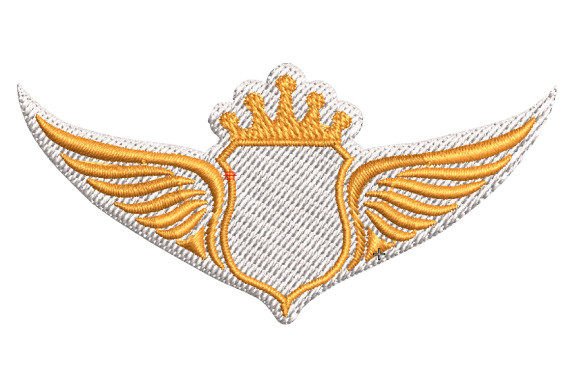
- Caps and Patches: Curved surfaces present a challenge. If the border is too dense or intricate, it may distort on a baseball cap. However, if designed with enough negative space, it can create a beautiful wreath-like effect around the button. As an embroidered patch, this design could serve as a standalone badge for denim jackets or backpacks, offering another revenue stream.
- Pillow Covers and Small Pouches: For home decor, a border framing the opening of a pillow cover adds a custom, high-end feel. Small fabric pouches for makeup or pens also benefit from this scale, where the design acts as a focal point without consuming the entire surface area.
Production Reality and Practical Selling Points
From a production standpoint, efficiency is money. A design that requires excessive hooping changes or tedious trimming slows down your workflow. The Natural Floral Border appears to be a continuous element, which means it can be digitized for efficient running times. If it allows for batch production—where you can embroider ten aprons in a row without re-hooping each time—you increase your profit margin significantly.
Furthermore, consider the photography aspect. For every small shop product you sell online, you need a great image. A border design provides structure to a photo. It gives the eye a place to rest. When you create a printable mockup for your digital assets, this border will frame your text or logo beautifully, ensuring brand consistency across your website and social media channels.
Crucial Considerations for Clarity
However, not all floral designs are created equal. Before committing to bulk production, you must evaluate the technical execution. Here are the critical factors to check:
- Stitch Density: Is the design too dense? If the flowers are packed too tightly, the fabric may pucker, especially on lightweight cotton tea towels or thin polyester blends. Look for a balance where the thread coverage is sufficient but the fabric breathability remains intact.
- Detail Resolution: At smaller sizes, tiny details can disappear. If you plan to sell these items as small gifts or miniature patches, ensure the individual petals and leaves are distinct. Blurry, muddy stitching kills the "premium" feel instantly.
- Thread Contrast: On dark fabrics, light-colored florals pop beautifully. On light fabrics, you may need a darker thread or a contrasting background applique to make the design visible. Always test your thread colors against your actual product stock.
- Fabric Texture: Textured materials like heavy denim or terry cloth (for towels) can hide fine stitch work. Smooth fabrics like sateen or crisp cotton show off the intricacy of the border much better.
Designer’s Checklist for Success
To ensure the Natural Floral Border delivers results, follow these practical steps before you start selling:
- Test on Scrap Fabric: Never go straight to your final product. Embroider the design on a scrap of the exact same material you intend to sell. Check for puckering, thread breaks, and color vibrancy.
- Confirm Hoop Size: Ensure the design fits comfortably within your machine’s standard hoops. If it requires a specialized large hoop, you may limit your customer base or increase your production costs.
- Use the Right Stabilizer: For borders, tear-away stabilizer is often preferred for clean edges, but cut-away may be needed for stretchy fabrics like jersey. The wrong choice leads to shifting and misalignment.
- Create Real Mockups: Don’t rely solely on digital previews. Create at least one physical sample. Hold it up. Does it look "fancy" as promised? Does it catch the light nicely?
- Verify Commercial Licensing: Before listing these as commercial embroidery products, double-check the license terms. Some design assets are for personal use only. Ensure you have the rights to sell finished goods made from this file.
Final Verdict
The Natural Floral Border has the potential to be a standout addition to any crafter’s repertoire. Its elegant nature makes it suitable for gift-giving occasions, weddings, and everyday luxury. By focusing on high-quality fabrics and proper stabilization, you can transform this simple border into a powerful tool for building your brand. It is versatile enough for embroidery business owners looking to expand their catalog and creative entrepreneurs wanting to add a touch of nature to their handmade offerings. Just remember: the design is only as good as the execution. Test thoroughly, price appropriately, and let the beauty of the flowers do the selling.