Pumpkins and Leaves Machine Quilting Review
As a designer who spends more time evaluating stitch quality than scrolling through endless marketplaces, I look for designs that do more than just fill space. They need to carry weight, mood, and structural integrity. When I first encountered the Pumpkins and Leaves Machine Quilting design, my immediate reaction was one of seasonal recognition. It is not merely a collection of shapes; it is a cohesive visual statement tailored specifically for the Autumn category of embroidery. But does it hold up under the scrutiny of real-world application? Can it transition seamlessly from a hobbyist’s hoop to a commercial small shop product? Let us break down the practical realities of using this machine embroidery design in your workflow.
First Impressions: Mood and Visual Personality
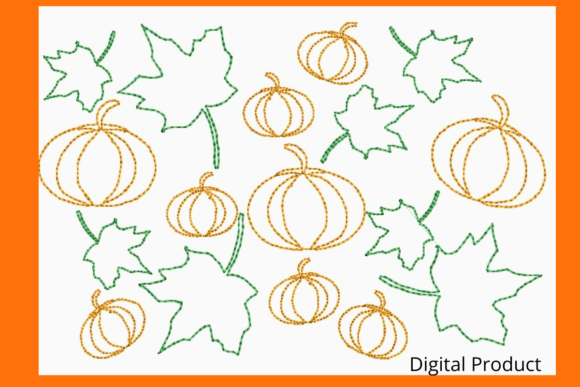
The moment you load the embroidery file, the design communicates its intent clearly. The interplay between the organic curves of the leaves and the rounded forms of the pumpkins creates a balanced composition that feels both rustic and refined. This is not a cartoonish interpretation; it has enough detail to suggest texture without becoming so dense that it overwhelms the fabric. For designers looking to create handmade product lines that resonate with customers seeking warmth and authenticity, this design hits the right note.
The layout suggests versatility. It can stand alone as a focal point or integrate beautifully into larger patterns. Visually, it evokes the crisp air of October and the harvest season, making it an ideal candidate for holiday embroidery projects. However, the true test of any design lies not in how it looks on a screen, but in how it stitches. The visual personality here is confident yet approachable, which is crucial for building trust with buyers who appreciate artisanal quality.
Real-World Application: From Concept to Finished Product
I recently evaluated this design with a specific project in mind: a line of custom embroidered tote bags and aprons for a local craft fair. The goal was to create items that felt personal yet professional. Here is how Pumpkins and Leaves Machine Quilting performed in those scenarios.
- Tote Bag Embroidery: On a sturdy canvas bag, the design held its shape beautifully. The contrast between the thread and the natural fabric allowed the details to pop. It transformed a simple accessory into a boutique-quality item suitable for an Etsy seller looking to boost engagement.
- Kitchen Towels and Aprons: The autumnal theme fits perfectly in a kitchen setting. When stitched onto cotton tea towels, the design adds a touch of elegance that elevates the perceived value of the item. Customers are more likely to purchase a set if the embroidery looks crisp and well-executed.
- Apparel Decor: For sweatshirt embroidery or light jackets, the design works well as a chest placement or a centered back motif. It pairs naturally with neutral tones like cream, beige, or olive green, enhancing the overall aesthetic without clashing.
Beyond physical goods, this design also serves as excellent content for digital marketing. If you are a digital product seller, creating printable mockups featuring this design can help visualize potential end products for clients. It demonstrates professionalism and helps bridge the gap between a raw digital embroidery file and a tangible finished product.
Where Caution Is Required
No design is universally perfect, and knowing where to exercise caution is what separates a novice from a seasoned pro. There are specific contexts where Pumpkins and Leaves Machine Quilting may present challenges.
- Small Hoop Sizes: If you are working with limited hoop space, ensure the design fits comfortably. Trying to cram too much detail into a tiny area can result in puckering or loss of definition.
- Textured and Stretchy Fabrics: While the design looks great on stable cottons, applying it to stretchy knits or highly textured fabrics requires extra care. Without proper stabilization, the stitches may distort, ruining the clean lines of the leaves and pumpkins.
- Dense Stitch Areas: Check the stitch density carefully. In areas where threads overlap significantly, there is a risk of bulkiness. This is particularly important for items like caps or hats, where comfort against the skin matters.
- Dark Fabric Backgrounds: If stitching on dark materials, verify that your chosen thread colors provide sufficient contrast. Lighter threads might get lost, while darker threads might disappear entirely depending on the base color.
Technical Considerations for Designers
Before committing to a full production run, every experienced designer knows the importance of testing. I strongly advise you to test this machine embroidery design on scrap fabric that matches your final material. This step allows you to evaluate several critical factors:
- Stitch Clarity: Inspect the fine details of the leaves. Are they distinct, or do they blur together? Adjusting tension or changing needle type can often resolve minor issues.
- Stabilizer Choice: The right stabilizer is non-negotiable. For this design, a cut-away stabilizer is often recommended for durability, especially for items that will undergo frequent washing, such as custom apparel or baby clothes.
- Thread Color Contrast: Experiment with different thread palettes. A classic gold or orange thread might enhance the pumpkin motif, while a deep burgundy could add a sophisticated twist. Always view your sample in black and white to check for tonal balance.
- Hoop Size Confirmation: Ensure your machine’s hoop size accommodates the design dimensions with adequate margin for hooping errors.
Impact on Brand and Customer Trust
In the world of handmade businesses, presentation is everything. A high-quality embroidery project signals attention to detail and respect for the customer. When a buyer receives a personalized gift or a craft business item featuring a well-executed design like Pumpkins and Leaves Machine Quilting, it reinforces brand consistency. It shows that you care about the finish, not just the concept.
This level of quality directly influences customer trust. Buyers are more likely to leave positive reviews and recommend your shop when the product exceeds expectations. Furthermore, a versatile design like this can be adapted for various occasions, from wedding gifts to everyday home decor, maximizing the return on investment for your design assets.
Final Verdict
Pumpkins and Leaves Machine Quilting is a robust, aesthetically pleasing addition to any library of design assets. It offers a strong autumnal vibe that resonates with a wide audience, from hobbyists making personalized gifts to entrepreneurs scaling their commercial embroidery operations. Its ability to work across multiple mediums—from quilts and pillows to tote bag design elements—makes it a valuable tool for creative entrepreneurs.
However, success depends on preparation. Test thoroughly, choose your materials wisely, and respect the technical limitations of your equipment. By doing so, you can transform this digital pattern into a stunning physical reality that delights customers and strengthens your brand. Whether you are creating a single embroidered patch or launching a full fall collection, this design provides a solid foundation for excellence.