Red Flower Arrow Embroidery Review
As a designer who spends half my life staring at stitch density charts and the other half trying to convince clients that "simple" doesn't mean "cheap," I approach every new embroidery file with a mix of skepticism and hope. We are all looking for that sweet spot: a design that looks intricate enough to justify a premium price point but executes cleanly enough to save us from endless trimming sessions. Today, I am putting Red Flower Arrow through its paces. This piece falls under the Bouquets category, but don’t let the floral classification fool you into thinking it is just another generic rose cluster. It has an architectural edge that makes it particularly interesting for modern custom apparel and boutique branding.
The First Impression: Bold Meets Elegant
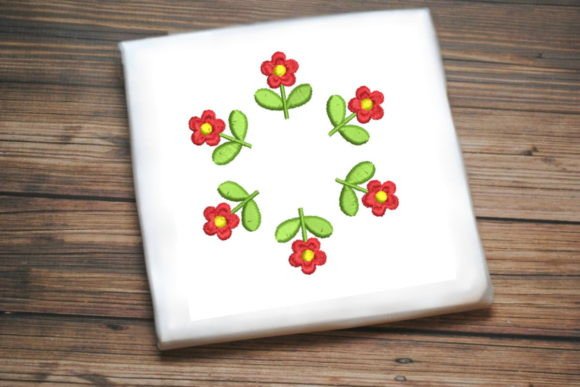
When I first pulled up the digital preview of Red Flower Arrow, what struck me immediately was the balance between organic flow and geometric direction. The title suggests an arrow, and visually, the design delivers on that promise without sacrificing the softness associated with traditional embroidery project florals. It feels like a bouquet that has been captured in motion, pointing forward rather than sitting statically. This dynamic quality is crucial for handmade product designers because static designs can sometimes feel dated or overly traditional. In contrast, this layout feels contemporary, making it highly suitable for Etsy seller listings targeting a younger, trend-conscious demographic.
The visual personality here is confident. It isn’t timid. For a small business owner, this translates directly to perceived value. When a customer sees a design that commands attention, they are more likely to trust the craftsmanship behind it. The elegance comes from the implied detail—the way the petals seem to layer over one another—while the "arrow" aspect provides a clear focal point. This duality allows the design to work as a statement piece on a sweatshirt or as a refined accent on a kitchen towel. It bridges the gap between playful and professional, which is often the hardest challenge in commercial embroidery.
Real-World Application: From Tote Bags to Nursery Decor
I want to talk about where this design actually lives in a real workflow. Let’s say you are preparing inventory for a holiday craft fair. You have a stack of natural canvas tote bags and some cream-colored linen pillow covers. Red Flower Arrow shines in these contexts. On a tote bag, the directional nature of the design guides the eye across the fabric, creating a sense of movement that elevates a basic accessory into a fashion item. It works beautifully as a tote bag design because it isn’t so dense that it weighs down the handle area, yet it is substantial enough to be seen from a distance.
Consider the baby market. There is always high demand for baby embroidery that avoids being overly cutesy while remaining soft. Stitching this onto a muslin blanket or a cotton onesie offers a sophisticated alternative to standard cartoon motifs. The red tones, when chosen carefully against neutral backgrounds, provide a warm, inviting aesthetic perfect for personalized gift packages. Parents appreciate designs that look good in their home decor, not just on the child. Similarly, for nursery decor, the arrow motif subtly suggests growth and direction, adding a narrative layer to the room that parents find appealing.
Another strong use case is apron embroidery. Kitchen towels and aprons are staple items for any craft business. A floral design here usually signals "home" and "comfort." However, by choosing Red Flower Arrow, you signal a bit more style. It fits well in modern farmhouse aesthetics or minimalist Scandinavian-inspired kitchens. It pairs exceptionally well with solid color fabrics, allowing the thread colors to pop without competing with busy patterns. If you are selling small shop product lines, having a versatile design like this ensures you aren’t stuck with niche-only items that only sell once a year.
Performance on Different Fabrics and Garments
How does it stitch? Generally, designs described as "fun and easy to stitch" tend to have forgiving tolerances, which is great for beginners but still respected by pros. On stable woven fabrics like denim for sweatshirt embroidery or heavy cotton for caps, the design should hold its shape well. The key here is the stitch density. Because it is a bouquet-style design, there will be areas of fill stitches. Ensuring your stabilizer choice matches the fabric weight is critical. On thin fabrics, you risk puckering; on thick fabrics, you risk needle breakage if the density is too high.
For embroidered patch creation, this design offers excellent potential. The defined edges make it easier to apply a cutwork or merrowed border. If you are producing patches for brand logos or uniform accents, the clarity of the arrow motif ensures legibility even at smaller sizes. However, always test the hoop size constraints. If you are scaling this down significantly for a cap logo, you must inspect the small details to ensure they don’t merge together during the stitching process.
Where to Exercise Caution
No design is universal, and Red Flower Arrow is no exception. There are specific scenarios where this design might struggle. First, avoid using it on highly textured fabrics like chunky knits or fleece unless you are using a specialized stabilizer and have tested extensively. The texture can hide the fine details of the flower petals, resulting in a muddy appearance. Similarly, stretchy fabrics require a heavy-duty tear-away or cut-away stabilizer to prevent distortion. If the fabric stretches during stitching, the arrow may bend, ruining the intended geometric integrity.
Dark fabrics present a different challenge. While red flowers can look striking on black, the contrast level depends entirely on your thread selection. If the red is too dark, it may disappear into the background. I recommend testing light or bright red threads on dark fabric to ensure visibility. Also, be mindful of curved surfaces like baseball caps. While possible, complex floral arrangements can look distorted if not placed carefully on the curve of the front panel. Flat surfaces like tote bags, aprons, and pillow covers are far safer bets for maintaining the design’s intended aesthetic.
Another consideration is durability. If the finished product is destined for frequent washing, such as workwear or everyday baby clothes, check the stitch density again. High-density fills can trap lint and wear out faster than simpler satin stitch designs. For items that need to withstand industrial laundering, a lighter version of this design might be more appropriate.
Practical Designer Notes for Execution
Before you commit to a full production run, follow these practical steps to ensure success:
- Test on Scrap Fabric: Always stitch a sample on the exact fabric you plan to use. This reveals how the material reacts to the stabilizer and tension settings.
- Check Thread Contrast: View your design in black and white mockups to ensure the tonal values provide enough contrast. This helps predict how the design will read in low-light conditions.
- Inspect Small Details: Zoom in on the digital file. Are the tiny petals distinct? Will they stitch clearly at your target hoop size? If details are too fine, consider simplifying the design or increasing the size.
- Confirm Licensing: As a digital product seller or commercial embroidery provider, verify the license terms. Ensure you are allowed to sell finished goods made with this machine embroidery design. Some files are for personal use only.
- Review Stitch Types: Identify where the satin stitch, fill stitch, and running stitch are used. Understanding the stitch map helps you anticipate trimming time and potential issues with thread breaks.
In conclusion, Red Flower Arrow is a versatile, stylish addition to any design assets library. It offers the elegance of a classic bouquet with the modern twist of directional geometry. Whether you are creating holiday embroidery gifts, updating your Etsy listings, or developing a new line of custom apparel, this design provides a reliable foundation for high-quality results. Just remember to respect the fabric, test thoroughly, and let the design’s inherent confidence shine through in your final presentation.