Mechanic Gnome: A Designer’s Review for Merch
As an embroidery designer who has spent years turning digital files into tangible brand assets, I approach every new design with a critical eye. When I first encountered the Mechanic Gnome, my immediate thought was not just about its aesthetic appeal, but about its commercial viability. For small business owners, Etsy sellers, and apparel decorators, the difference between a cute design and a profitable product lies in execution, versatility, and brand alignment. This review breaks down how the Mechanic Gnome fits into the world of branded merchandise, focusing on its potential as an embroidered patch, a uniform accent, or a signature mark for handmade products.
First Impressions: Balancing Playfulness with Professionalism
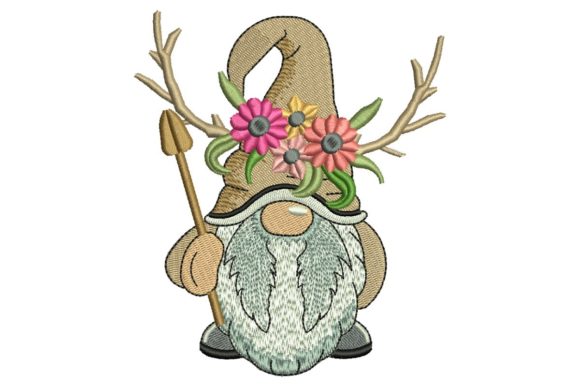
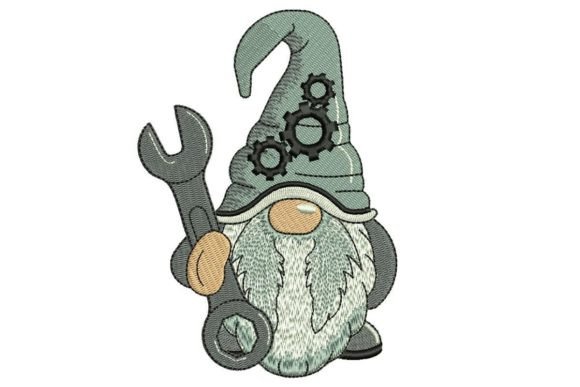
The title alone suggests a whimsical character, likely appealing to those who enjoy rustic, humorous, or "farmhouse" aesthetics. However, the description notes that it is elegant and gorgeous when stitched. This is a crucial distinction. In the world of machine embroidery design, there is often a fine line between cluttered and charming. From a professional standpoint, a successful design must hold up under scrutiny. Does it look like a mass-produced novelty item, or does it feel like a premium addition to a small business merch line?
Visually, the Mechanic Gnome appears to offer a blend of fun and structure. For a creative studio, bakery, or boutique, this duality is valuable. It signals approachability without sacrificing quality. The key here is how the thread colors are utilized. If the design relies heavily on thin, delicate lines, it may lose definition at smaller scales. However, if it utilizes bold fills and clear outlines, it promises to be a standout piece on any surface, from a heavy-duty work shirt to a delicate linen tote bag.
Real-World Applications for Small Businesses
The true test of any embroidery file is its application in real-world scenarios. Let us explore where the Mechanic Gnome shines in a commercial context.
- Embroidered Patches: One of the most versatile uses for this design is as a detachable patch. Whether attached to a denim jacket, a backpack, or a customer gift box, patches allow businesses to offer customizable branding. The Mechanic Gnome works exceptionally well as a logo accent on a chest pocket, adding personality to standard workwear.
- Apron Embroidery: For cafes, bakeries, and florists, aprons are both functional uniforms and walking billboards. Stitching the gnome onto the bib or pocket of a canvas apron creates a cohesive brand identity. It tells a story before the employee even speaks, suggesting a warm, hands-on service style.
- Cap Embroidery: Branded caps are staples in craft business marketing. The Mechanic Gnome can serve as a central focal point on a trucker hat or a structured cap. Its playful nature aligns perfectly with outdoor markets, farmers' markets, and community events where standing out is essential.
- Tote Bag Design: Eco-friendly shopping bags are high-value items for retail brands. Placing the design centrally or on the side seam of a canvas tote adds a touch of elegance. Because the description mentions it looks gorgeous on fabric, it implies good coverage and thread quality, which prevents the design from looking sparse on textured cotton.
- Product Packaging Accents: Beyond apparel, consider stitching small versions of the gnome onto hang tags, garment bags, or even directly onto woven labels. This attention to detail elevates the unboxing experience, reinforcing the value of the handmade product.
Strategic Brand Identity and Customer Trust
In today’s market, consumers buy into stories as much as they buy into products. A design like the Mechanic Gnome contributes to a narrative of craftsmanship and humor. When a customer sees a professionally embroidered logo, it signals that the business cares about quality. This builds customer trust and recognition. Unlike printed graphics that can crack or fade, embroidery has texture and depth, conveying permanence and reliability. By using a unique design asset, you differentiate your custom apparel from competitors who rely on generic stock images.
Design Constraints and Areas of Caution
While the Mechanic Gnome has strong potential, no design is perfect for every situation. As a designer, I must advise caution in specific applications to ensure the final product meets professional standards.
- Small Patch Sizes: If you plan to produce tiny patches (under 2 inches), you must evaluate the stitch density. Intricate details may merge together, resulting in a muddy appearance. Always create a printable mockup at actual size to check legibility.
- Curved Surfaces: Embroidering on curved surfaces like cap fronts or rounded bottle holders requires precise digitizing. If the design has sharp corners or long straight stitches, it may pucker or distort. Ensure the digitizer has accounted for curvature compensation.
- Fabric Texture and Stability: The choice of fabric matters immensely. On highly textured fabrics like burlap or loose-weave linen, fine details may get lost. Conversely, on slippery synthetics, the design may shift during stitching. Using the correct stabilizer is non-negotiable to maintain the integrity of the finished product.
- Thread Color Contrast: Dark uniforms require light thread colors for visibility, while light fabrics need darker threads. Test the thread colors against your specific fabric swatch. Low contrast can make the design disappear, undermining its visual impact.
Practical Notes for Production
Before committing to large-scale production, follow these steps to mitigate risk and ensure quality control.
Test in Black and White: Convert the design to grayscale to check its structural balance. If the design lacks contrast or feels unbalanced in monochrome, it will likely struggle in color. This step helps identify if the outline is too thin or if the fill areas are too dense.
Confirm Hoop Size and File Format: Verify that the hoop size accommodates your intended garment dimensions. Also, confirm the digital embroidery file format compatibility with your machines (e.g., .dst, .pes, .jef). Incompatibility can lead to costly re-digitizing fees.
Inspect Spacing and Density: High stitch density can cause fabric distortion, especially on lightweight materials. Inspect the spacing between elements. If the gnome’s features are too close together, consider simplifying the design for certain applications.
Create Client Mockups: Use digital tools to place the design on realistic product photos. This printable mockup allows you to present the concept to clients or customers before production begins, ensuring everyone agrees on the final look.
Verify Commercial Licensing: Most importantly, confirm the commercial licensing terms. Ensure you have the right to sell products featuring the Mechanic Gnome design. Unauthorized use can lead to legal issues, so always check the provider’s terms regarding resale and distribution.
Conclusion
The Mechanic Gnome offers a compelling option for businesses looking to add a touch of personality and professionalism to their merchandise. Its balance of fun and elegance makes it suitable for a wide range of applications, from staff uniforms to customer gifts. By carefully considering fabric choices, stitch density, and licensing, you can leverage this design asset to enhance your brand identity and drive engagement. For small business owners and designers alike, it represents a smart investment in creating memorable, high-quality commercial embroidery projects.