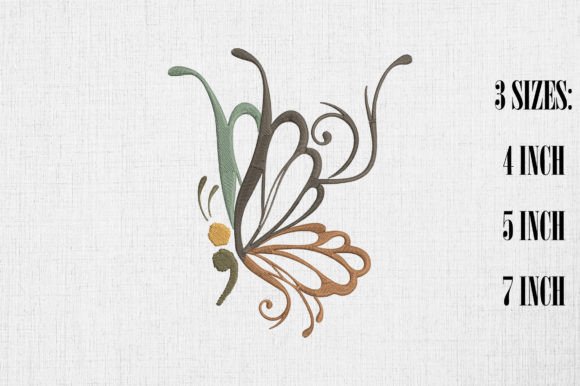
Mental Health Semicolon Butterfly Review
As an embroidery designer who has spent years testing designs for both personal projects and commercial small businesses, I approach every new digital file with a mix of excitement and skepticism. The market is saturated, but true quality stands out. Recently, I had the opportunity to put the Mental Health Semicolon Butterfly design through its paces. This isn't just about stitching; it is about understanding how a machine embroidery design translates into a tangible, emotional connection for the end user. My goal here is to review this piece from the perspective of someone planning real customer orders, specifically for those looking to create meaningful personalized gift items.
First Impressions: Mood and Visual Appeal
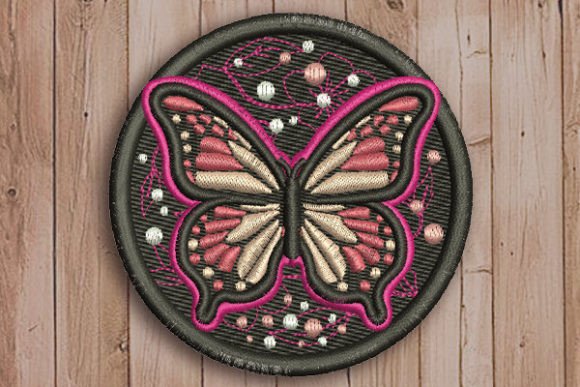
The moment I loaded the embroidery file into my digitizing software, the balance of the design caught my eye. The combination of the semicolon symbol—a powerful marker of mental health awareness—and the organic, flowing lines of a butterfly creates a striking visual narrative. It feels both modern and timeless. The mood is one of gentle resilience. It is not overly loud or chaotic; instead, it possesses a quiet elegance that works beautifully on soft fabrics.
From a design standpoint, the charm lies in its simplicity. It does not rely on excessive complexity to make a statement. This makes it highly versatile. Whether you are aiming for a sweet, handmade aesthetic or something more polished for a boutique, this design hits the mark. It feels romantic yet grounded, making it suitable for a wide range of demographics. For an Etsy seller or a crafter looking to expand their catalog, this design offers a high potential for engagement because it speaks directly to current cultural conversations while remaining visually pleasing.
Application in Personalized Products
One of the most critical aspects of reviewing a design is imagining it on finished products. I tested several scenarios to see where the Mental Health Semicolon Butterfly truly shines.
- Baby Embroidery and Nursery Decor: There is a growing trend for meaningful nursery items. Placing this design on a baby blanket or a muslin cloth adds a layer of protective sentiment. It serves as a reminder of strength and hope, which resonates deeply with new parents. However, care must be taken with fabric texture; smooth cottons work best to keep the delicate butterfly wings crisp.
- Wedding Gifts and Keepsakes: This design is perfect for bridal party gifts or honeymoon favors. Imagine a set of embroidered towels or a personalized tote bag for the bride. The theme of "starting anew" aligns perfectly with marriage. It elevates a standard item into a wedding gift with deep emotional value.
- Custom Tote Bags and Aprons: For daily use, this design holds up well on canvas totes or kitchen aprons. It adds a touch of personality to everyday tasks. The butterfly motif softens the utilitarian nature of these items, making them feel like curated fashion pieces rather than just tools.
- Pillow Covers and Home Accents: A subtle placement on a linen pillow cover can transform a living space. It brings a sense of calm and mindfulness to the home environment.
Target Audience and Market Fit
This design appeals strongly to individuals who value mental wellness advocacy. It is ideal for small shop product owners who cater to the self-care niche. Customers browsing for unique, handmade items are often looking for pieces that tell a story. The Mental Health Semicolon Butterfly tells a story of recovery and beauty. It attracts buyers who want to wear their values or display them in their homes. For digital product sellers, offering mockups of this design on various backgrounds can significantly boost click-through rates by showing potential customers the versatility of the final result.
Technical Considerations and Potential Pitfalls
While the design is beautiful, no machine embroidery project is without its challenges. As a professional, I must highlight areas where caution is required to ensure a high-quality finished product.
First, consider the stitch density. While the butterfly wings may appear light, the semicolon requires precision. If the density is too high, the fabric may pucker, especially on lightweight materials. Conversely, if it is too low, the details may look sparse. Always check the stitch count in your software before committing to a large production run.
Fabric choice is paramount. Avoid using this design on thick terrycloth towels unless you have a heavy-duty stabilizer and a sharp needle. The thread may not penetrate evenly, leading to skipped stitches. Similarly, stretchy baby clothes can distort the design if not hooped correctly with adequate tear-away or cut-away stabilizer. Dark fabrics present another challenge; ensure there is sufficient contrast between the thread colors and the background. A white butterfly on black fabric might lose definition if the fill stitches are not dense enough.
Additionally, be mindful of curved surfaces. Hooping a curved item like a cap brim or a rounded mug sleeve can cause distortion. Test on scrap fabric first to determine the optimal tension settings. For items that require frequent washing, such as embroidered towel sets or baby blankets, reinforce the edges of the design with a tight satin stitch border to prevent fraying over time.
Enhancing Giftability and Perceived Value
In the world of handmade goods, presentation is everything. The Mental Health Semicolon Butterfly design lends itself well to premium packaging. Because the design carries a message of support, pairing it with thoughtful packaging—such as kraft paper boxes, dried flowers, or handwritten notes—can significantly increase perceived value. Customers are willing to pay more for items that feel curated and emotionally resonant.
Photography plays a huge role in online sales. When creating a printable mockup or photographing the actual item, focus on natural lighting to highlight the texture of the thread. Show close-ups of the butterfly wings to demonstrate the quality of the digitization. Highlighting the craftsmanship builds customer trust and reassures buyers that they are investing in a durable, well-made handmade product.
Practical Embroidery Notes for Success
To ensure your commercial embroidery projects run smoothly, follow these practical steps:
- Test on Scrap Fabric: Never start a custom order without a test run. Check how the design interacts with your specific brand of fabric.
- Check Thread Color Contrast: Use your software’s color simulation feature to preview different thread palettes. Pastels offer a soft, modern look, while bold colors provide high visibility.
- Confirm Hoop Size: Ensure your hoop is large enough to accommodate the design dimensions without awkward re-hooping, which can misalign patterns.
- Review Stitch Density: Adjust density settings if necessary to prevent puckering, especially on delicate fabrics.
- Use Proper Stabilizer: Match the stabilizer to the fabric weight. Heavy fabrics need sturdy backing; light fabrics need gentle support.
- Compare Light and Dark Mockups: Create digital previews on both light and dark backgrounds to help customers visualize the final result.
- Check Small Details: Zoom in on the semicolon and wing veins after stitching to ensure clarity.
- Confirm Commercial Licensing: Before selling any finished items, verify the license terms of the digital embroidery file. Most reputable designers allow commercial use, but some restrictions may apply.
By treating the Mental Health Semicolon Butterfly with the same care and attention to detail as any other critical component of your business, you can create products that not only sell well but also make a genuine difference in your customers' lives. This design is more than just an image stitched onto fabric; it is a conversation starter, a comfort, and a testament to the power of handmade artistry.